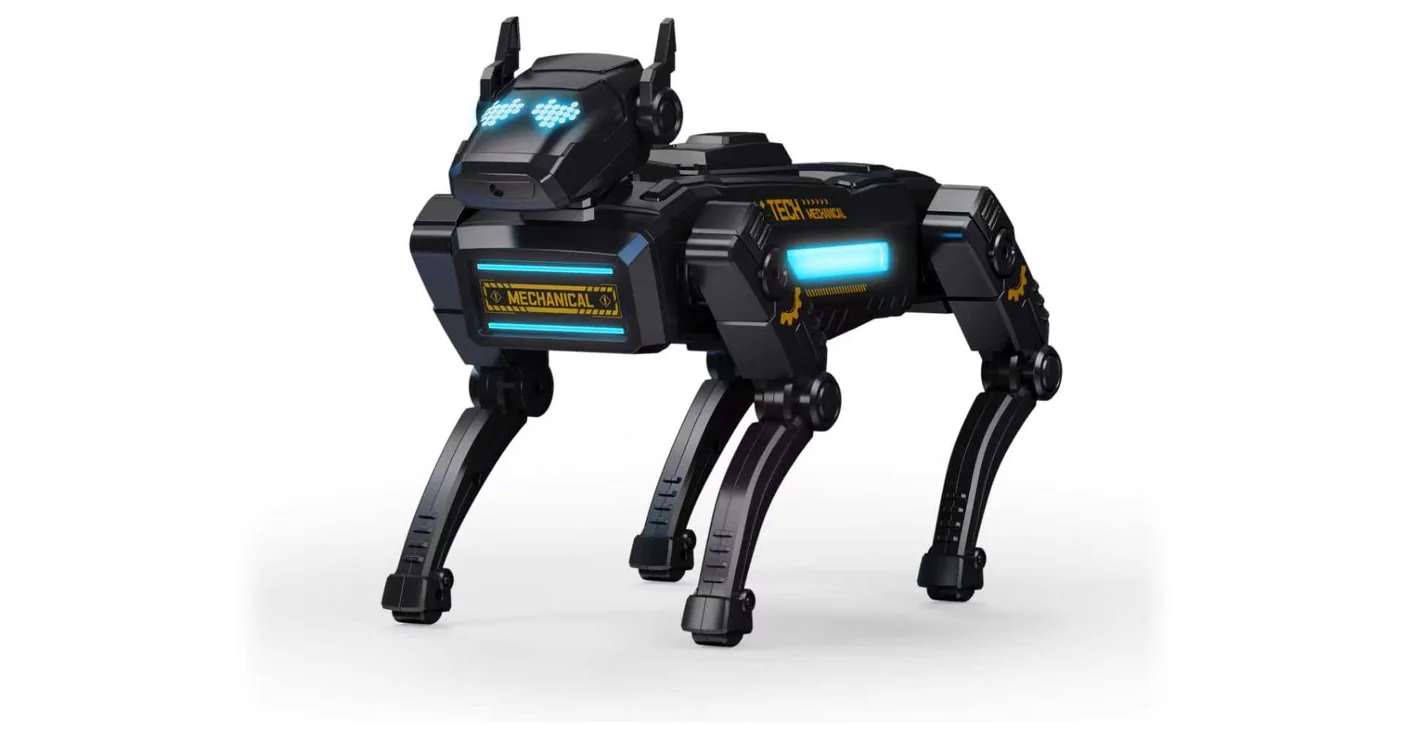
Battery chemistry looks like a detail buried in the spec sheet. In practice it decides three things a buyer cares about — how the toy behaves on the shop floor, how much it weighs, and how much paperwork it takes to move it. This article compares the two chemistries that still dominate remote control toys, and sets out what to write into a purchase specification so the power source does not become a problem after the PO is signed.
Why Buyers End Up Comparing LiPo and NiMH
Both chemistries are still common, but they arrive in different shapes. NiMH (nickel-metal hydride) usually means removable cells in a holder — three AA or AAA cells for a nominal 3.6 V. Lithium comes as a factory-fitted rechargeable pack with a single cell at 3.7 V nominal, charged through USB or a dock.
The colloquial term in the industry is "LiPo", although the pack in a toy is more often a lithium-ion cell. For comparison purposes the two share the same characteristics: high energy density, low self-discharge, and lithium transport rules.
LiPo vs NiMH at a Glance
| Property | NiMH | Lithium (LiPo / Li-ion) |
|---|---|---|
| Nominal voltage per cell | 1.2 V | 3.7 V |
| Cells for about 3.6 V | 3 cells (AA or AAA) | 1 cell |
| Typical energy density | Roughly 80–120 Wh/kg | Roughly 150–250 Wh/kg |
| Weight for the same stored energy | Heavier | Lighter |
| Voltage under high load | Sags as the pack drains | Holds voltage until near empty |
| Self-discharge in storage | Around 1% per day on standard cells | A few percent per month |
| Memory effect | None in modern NiMH | None |
| Charging | Cells often removed and charged externally | Built in, charged by USB or dock |
| Protection electronics | Not required | Protection circuit required |
| Transport rules | Not lithium, so outside lithium rules | UN 38.3 test and carrier documents required |
| Typical unit cost | Lower | Higher |
| Best fit | Low-drain, low-cost toys | Multi-servo walking and stunt chassis |
Why Walking Robot Dogs Usually Run a Single-Cell Lithium Pack
Four-legged and 8-wheel chassis draw current in bursts. Several servos plus drive motors, LEDs and a wireless module can pull far more current than a walking pace would suggest, and the chemistry decides how the toy behaves under that load.
- Voltage stability. A NiMH pack sags under load, so the robot walks more slowly, the lights dim and the wireless link can become uneven as the pack drains. A lithium cell holds its voltage far longer, which keeps the movement and the app connection consistent across the whole run time.
- Weight and balance. Grams matter to a walking chassis. A holder plus three cells is heavier than a single lithium cell holding a comparable amount of energy, and the extra weight has to be carried by the same servos.
- Retail expectation. Built-in rechargeable power with USB charging is now the norm at the mid and premium price points. A removable-cell holder reads as a cheaper product, adds an accessory buyers have to source themselves, and creates after-sales problems when cells are inserted the wrong way or left in the toy.
- One certified SKU. A factory-fitted pack can be tested, labelled and documented once, so every colour variant ships with the same power configuration.
What Our Platforms Use
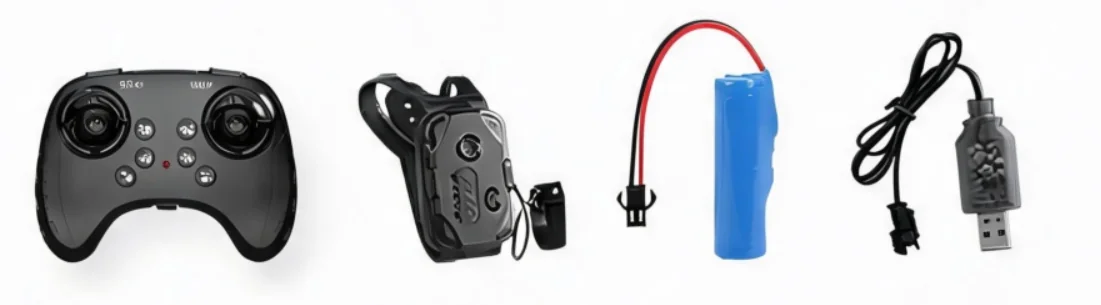
- Four-legged platforms — TQR-02, TQR-03M, TQR-05AI: 3.7 V, 1200 mAh / 4.44 Wh, 30–60 minutes of run time per 60–90 minute charge.
- 8-wheel stunt platforms — TQR-16, TQR-18M: 3.7 V, 500 mAh / 1.85 Wh, 30–60 minutes of run time per 60–90 minute charge.
The Shipping Question That Catches First-Time Importers
This is where the two chemistries separate most sharply, and it is usually the point at which a prototype programme turns into a commercial one.
Lithium cells and batteries must pass the UN 38.3 tests before they can be offered for transport. That applies whether the battery travels packed on its own, packed with equipment, or installed inside the finished toy — batteries contained in equipment are handled as UN 3481. NiMH cells are not lithium and fall outside those rules, which is one reason a low-cost NiMH toy can be simpler to ship.
Three practical points for a first lithium order:
- Air freight has a state-of-charge limit. Loose lithium-ion cells and batteries must be offered for air transport at a state of charge no higher than 30%, and every pack must be protected against short circuit.
- The carrier will ask for documents, not just a declaration. Expect to supply the UN 38.3 test summary and an MSDS, and for sea and air bookings a cargo transport appraisal issued to the shipment.
- The documents must match the exact capacity being ordered. A report issued for one cell does not automatically cover a different capacity or cell model.
We hold UN 38.3 reports across our battery capacities together with DGM sea and air transport appraisals, so the battery is documented before the carton is booked rather than after. The individual report references are published on our certifications page.
What to Write Into Your Purchase Specification
Most battery disputes trace back to a specification that said "rechargeable battery" and nothing else. These are the lines worth fixing before quoting.
| Spec line | What to state | Why it matters |
|---|---|---|
| Chemistry | Lithium-ion or NiMH | Sets the transport class and the document list |
| Voltage and capacity | Nominal voltage, mAh and the Wh figure | Watt-hours drive carrier limits and customs data |
| Protection | Over-charge, over-discharge and short-circuit protection | Safety performance and return rates |
| Charge method | USB, dock or removable cells | Decides the packaging and the accessory list |
| Run and charge time | Minutes of run time per charge cycle | The number shoppers compare on the shelf |
| Charger and connector | Charger type and plug variants per market | Avoids re-tooling for every destination |
| Documents | UN 38.3, MSDS, transport appraisal, battery marking | Forwarder and customs acceptance |
| Spare battery policy | Whether a second pack is offered | After-sales support and accessory revenue |
The Decision Rule
If the chassis walks, jumps or drives several motors, specify a lithium pack and budget for the UN 38.3 documentation from the start. NiMH still has a place in low-drain, low-cost items where shipping simplicity outweighs run time.
Neither chemistry is "better" in the abstract. The question is whether the product's movement profile justifies a factory-fitted lithium pack and the testing that goes with it.
Next Step
If you are planning a robot dog range, send us the market, the retail price point and the runtime you need to advertise. We will confirm the capacity that fits, the certificates that cover it, and the carton data for a container plan. Start with the TQR-02 four-legged platform, or review the full certifications and compliance set before your first shipment.
Sources & further reading
- UNECE — Transport of dangerous goods: the UN Model Regulations, which contain the UN 38.3 tests every lithium cell and battery must pass before it can be offered for transport.
- IATA — Batteries: IATA's lithium battery guidance, including the state-of-charge limit for cells and batteries carried by air, and the classification of batteries contained in equipment.
- IATA — guidance on the transport of nickel-metal hydride batteries: nickel-metal hydride batteries are classified UN 3496 and sit outside the lithium provisions, but they are not exempt from air transport rules as a whole.
- ASTM F963-23, Standard Consumer Safety Specification for Toy Safety, section 4.25 (battery-operated toys) — the safety standard that applies to the toy the pack is fitted into.
Transport rules are revised on a two-year cycle and carrier requirements can be stricter than the regulation. This article describes the position at the date shown at the top of the page and is general information, not a substitute for a cargo transport appraisal issued for your actual shipment.